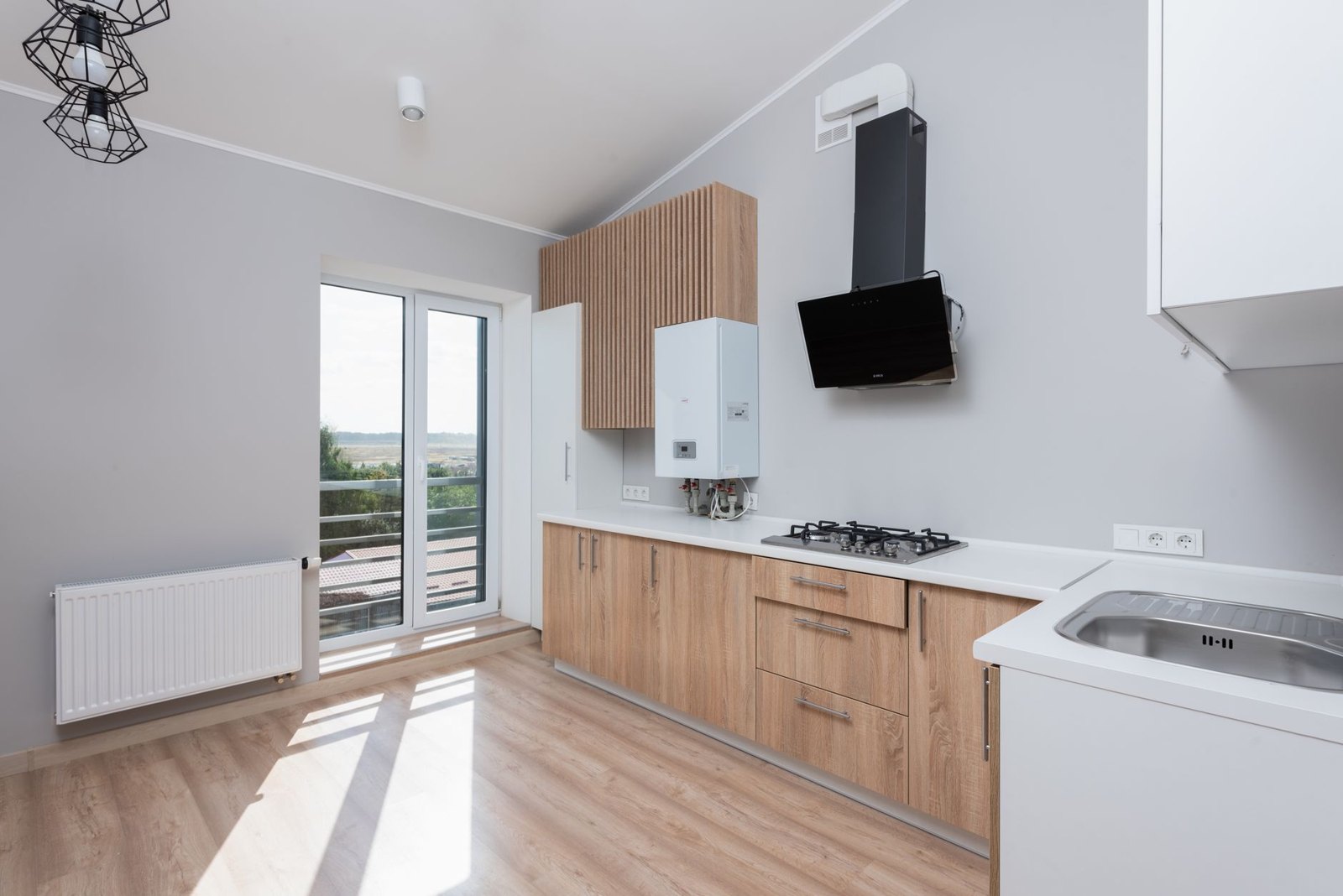
A boiler or heating-system noise is a description, not a diagnosis. Record the sound, timing and location, check the official manual for user-safe information, and arrange competent help when the noise is new, persistent, severe or accompanied by leakage, overheating, odour, alarms or loss of service.
Do not remove the boiler casing or attempt internal work to find the noise.
Describe the sound without naming the fault
Words such as banging, kettling, whistling, gurgling, clicking and humming mean different things to different people. A short recording can be more useful than a label, provided it can be made safely.
Detail
Example of a useful observation
Location
Inside boiler area, one radiator, pipe under floor, pump area
Timing
Ignition, heating start, hot-water draw, cooling, or continuous
Duration
One click, repeated pulses, several minutes
Conditions
All zones open, one zone active, after a refill, after recent work
Other evidence
Fault code, pressure change, cold radiator, visible water
Effect
Heating normal, intermittent or stopped
Avoid statements such as “it is definitely the pump” unless a competent engineer has diagnosed it.
Banging or knocking
Knocking can come from expanding pipework, rapid flow changes or a boiler/system issue. The location matters: a pipe passing tightly through timber presents a different investigation from a sound inside the appliance. Note whether it happens as the system warms, when a valve changes, or at ignition.
Do not strike pipes, force valves or alter boiler settings to reproduce a severe sound.
Whistling or high-pitched noise
A whistle can relate to flow, restriction, air movement or a component operating outside its expected conditions. The sound alone cannot establish which. Record whether changing rooms or hot-water demand affects it, but leave internal adjustment to a qualified person.
Gurgling
Gurgling may be heard at radiators, pipework, pumps, the boiler or a condensate route. Note the exact location and whether the system was recently drained, bled or repressurised. Follow only user maintenance described in the official manual.
In freezing weather, a condensate problem may produce a fault and unusual sounds, but neither an error code nor gurgle confirms a frozen pipe on its own.
When to stop and seek urgent advice
Stop using the appliance and follow professional or manufacturer advice if noise is accompanied by water near electricity, a burning smell, visible damage, repeated shutdown, overheating indication, gas smell or a carbon-monoxide alarm. For gas or carbon-monoxide emergencies, leave and use the official emergency route.
For a non-urgent but persistent noise, book an appropriately qualified engineer before the condition worsens.
Frequently asked questions
Is the noise from the boiler or the pipework?
Turn neither valves nor controls solely to provoke it. From a safe position, note where it is loudest and when it starts. Pipe expansion can transmit sound, so an engineer may need to observe a full heating cycle.
What details should I record before booking a callout?
Make, exact model, code, pressure, location, timing, recording, recent work and any effect on heating or hot water. Mention leakage, odours or alarms first.
Suggested on-page component
Use a Heating Noise Observation Builder that creates a concise report from location, timing and accompanying symptoms. It must produce information categories, not component diagnoses.
Water Leaking From a Boiler: Safe Next Steps and When to Get Help
Water around a boiler needs prompt assessment. Keep people away, protect yourself from electrical and hot-water risks, and contact a competent engineer.
Water around a boiler needs prompt assessment. Keep people away, protect yourself from electrical and hot-water risks, and contact a competent engineer. Do not remove the case or attempt to tighten, seal or replace internal parts.
Act on immediate hazards first
If water is near electrical equipment, do not touch the boiler, wet surfaces or nearby switches. Keep clear and contact an emergency professional or electricity-network service as appropriate. Only isolate electricity if it can be done safely from a dry, remote point and you understand the installation.
If water is escaping quickly, spreading through the building or affecting another property, contact an emergency plumber or heating engineer and your insurer or property manager. Follow the boiler manufacturer’s instructions for shutting down the appliance; do not improvise around gas controls.
If you smell gas or a carbon-monoxide alarm sounds, leave the property and use the official gas emergency route. A visible water leak does not rule out another hazard.
Record the location without dismantling
The origin can be different from the place where water finally drips. From a safe distance, record:
whether water appears beneath, above or beside the boiler;
whether it is clear, discoloured or contaminated;
whether it appears during heating, hot-water use or all the time;
the approximate amount and rate;
pressure display and fault code, if visible;
recent servicing, installation or pressure changes; and
photographs that do not require touching the appliance.
Do not use a photograph to diagnose an internal component. Its value is helping the engineer plan the visit.
Avoid common risky responses
Do not remove the boiler casing, reach under a live or wet appliance, keep topping up pressure to compensate for escaping water, block a pipe that may be a safety discharge, or continue operating the boiler merely because it still produces heat.
A towel or tray may limit minor damage only where it can be positioned safely and without contacting the appliance. It is not a repair.
Who to contact
For a gas boiler, use a Gas Safe registered business and check that the engineer is qualified for the work. For oil or electric equipment, use an appropriately competent technician. If the boiler remains under guarantee, contact the manufacturer or its nominated service route before authorising chargeable work, unless an emergency requires immediate action.
Tenants should report the problem to the landlord or managing agent in writing and follow the emergency contact process. Do not arrange unauthorised invasive work unless specialist advice supports it.
Frequently asked questions
Does the location of the water help an engineer?
Yes, especially when combined with timing, pressure and recent work. But water can travel along casing or pipework, so the visible drip does not prove which component failed.
What should I do if water is near electrical parts?
Stay clear and do not touch the appliance, water or local switches. Contact appropriate emergency help. Isolate power only from a safe, dry point if you are competent to do so; otherwise wait for a professional.
Suggested on-page component
Provide a Leak Observation Checklist with safe photo prompts, timing, rate, pressure and recent-work fields. The tool should switch immediately to emergency guidance when the user reports electricity, rapid escape, gas odour or a carbon-monoxide alarm.
If a sealed heating system repeatedly loses pressure, record what changes and arrange competent help instead of continually topping it up. A single low reading does not identify the fault, and repeated repressurising can hide useful evidence.
Follow the boiler manual for any user control. Do not remove the boiler case, tighten internal components or use sealant products without professional advice.
First decide whether it is urgent
Turn the appliance off and seek prompt advice if water is reaching electrical equipment, there is significant leakage, the boiler displays an unsafe condition, or the manufacturer’s instructions tell you to stop. If you smell gas or a carbon-monoxide alarm sounds, leave the property and use the official emergency route; loss of water pressure is not the issue to investigate yourself.
For a small, stable pressure change with no other warning signs, collect information for the engineer.
What the gauge can tell you
Many sealed systems show pressure on a dial or display. The normal range and repressurising method depend on the model, so use the official manual rather than a generic internet number.
Observation
Useful detail
Pressure when cold
Photograph the display before heating starts
Pressure when hot
Record it after a normal heating cycle
Speed of loss
Minutes, hours, days or weeks
Trigger
Heating, hot-water use, cooling, or no obvious pattern
Refill history
Date, starting reading and finishing reading
Visible water
Exact location, amount and timing
Other symptoms
Codes, noises, cold radiators or discharge outside
Do not wait beside an unsafe appliance simply to complete the table.
Why there may be no visible indoor leak
Water can escape slowly from pipework or emitters, at a concealed joint, or through a discharge route outside. Pressure can also vary because of a system component rather than a visible leak. These possibilities require diagnosis; the gauge pattern alone cannot distinguish them reliably.
Check only accessible areas without dismantling anything: around visible radiator valves, exposed pipe joints and beneath the boiler. Note staining or dampness but do not assume the nearest mark is the source.
Repressurising is not a repair
Some boiler manuals allow the user to restore pressure through a filling arrangement. If yours does, follow that model’s instructions exactly and stop at the stated setting. If you are unsure, cannot identify the controls or pressure falls again, arrange an engineer.
Frequent top-ups introduce fresh water into the system and can conceal the recurrence. Do not create a universal schedule such as “once a month is normal”; a system that needs repeated intervention deserves assessment.
What to tell the engineer
Provide the make, model, serial number, pressure photos, timeline, recent work and any visible discharge or water. Mention whether the system was recently bled, drained, serviced or altered. If a contractor previously repaired a leak, include the invoice and location.
This evidence can shorten diagnosis without pretending to identify the failed part.
Frequently asked questions
How often is too often to top up pressure?
There is no safe universal interval. If pressure repeatedly falls below the model’s normal range, or you need to restore it more than as a one-off after explained work, ask a competent engineer to investigate.
Can pressure fall without a visible leak?
Yes. The loss may be small, concealed or routed outside, or the pressure change may involve another system component. Absence of a puddle does not prove the system is sound.
Suggested on-page component
Use a Pressure Observation Log with date, cold reading, hot reading, refill, visible-water location and photo fields. It must not diagnose a component or tell users to open the boiler.
A new boiler may reduce gas use, but the percentage on its product label is not the percentage your bill will fall. Your result depends on the efficiency and condition of the old system, the new boiler’s real operating conditions, controls, heat loss, hot-water use, weather, comfort choices and the share of gas used for cooking.
The honest method is to show a range with visible assumptions, then compare it with actual meter readings after installation.
Why headline efficiency is not a savings promise
A quoted seasonal efficiency describes the appliance under a defined test or calculation. Your bill records the whole household’s metered gas, standing charges and taxes. The two measures are not interchangeable.
Consumption can also change because the new controls alter schedules, radiators or pipework are changed, the household uses more heat because the system is more reliable, the winter differs, or hot-water habits change. Standing charges do not fall when you use fewer units, so bill savings are normally smaller than fuel-cost savings expressed as a percentage.
Use your own annual consumption
Find at least 12 months of actual gas consumption in kWh from bills or your supplier account. Longer history is better because one winter can be unusual. Do not use the direct-debit amount: it can include credit, debt and supplier estimates.
Next, estimate what proportion serves space heating and hot water. If gas also fuels a hob or fire, not all consumption is available for boiler savings. Where possible, compare summer use with winter use and label the resulting split as an estimate.
A transparent calculation
Let G be annual metered gas consumption, S the estimated boiler share, E-old the old seasonal efficiency, E-new the cautious new in-use efficiency and P the unit price.
Useful heat currently delivered = G × S × E-old
New gas needed for the same useful heat = (G × S × E-old) ÷ E-new
Estimated gas reduction = (G × S) minus new gas needed
Estimated fuel-cost reduction = estimated gas reduction × P
Add household gas not attributed to the boiler back into the projected total. Keep standing charges unchanged unless the tariff changes.
Use a range, not one optimistic answer
Run at least three scenarios:
Scenario
Old efficiency
New in-use efficiency
Behaviour
Cautious
Higher old estimate
Lower new estimate
Same comfort and schedule
Central
Best-supported estimates
Best-supported estimate
Same comfort and schedule
Optimistic boundary
Lower old estimate
Higher new estimate
Same comfort and schedule
These are not forecasts unless the assumptions are supported. The calculator should never invent default savings or imply that a large percentage is typical.
Factors outside the boiler
Heat loss can dominate consumption. Insulation, glazing, draughts, ventilation and chosen room temperatures affect the useful heat required. Controls affect when and where heat is delivered. System design affects whether a condensing boiler can operate at suitably low return temperatures.
A new appliance cannot compensate for every building or emitter problem. Ask whether the proposal includes heat-loss assessment, control setup, radiator checks, balancing and commissioning.
How to test the result after installation
Record meter readings and heating settings. Compare similar periods using weather-normalised data if available, or at least note outdoor conditions and occupancy. Also compare comfort. Lower gas use accompanied by colder rooms is not the same outcome as delivering the same comfort more efficiently.
Frequently asked questions
How much of my gas use is actually for heating?
There is no single household percentage. Use bills, summer baseline consumption and appliance information to create a labelled estimate. A smart meter can improve the record but does not identify the appliance using each unit of gas.
Why will the quoted efficiency not translate directly into bill savings?
Because it is not the old-to-new efficiency difference applied to the whole bill. The bill includes non-boiler gas and standing charges, while real performance depends on system temperatures, controls, weather and behaviour.
Suggested on-page component
Embed the New-Boiler Savings Scenario Calculator here. Require user-entered consumption, boiler share, old/new efficiency range and unit price. Show formulae and assumptions, exclude standing-charge savings, and label every result an estimate rather than a promise.
A boiler service is a planned inspection and maintenance visit carried out to the appliance manufacturer’s instructions. It should include safety and operating checks, but it is not the same as a landlord’s gas-safety record, a repair, or a promise that the boiler cannot break down later.
For a gas boiler, use a Gas Safe registered engineer who is qualified for the appliance. Oil boilers should be handled by an appropriately competent technician; some manufacturers specify OFTEC registration in their guarantee terms.
What the engineer should do
The exact procedure depends on the boiler model, fuel and findings. A competent service normally begins with the engineer confirming the appliance details, asking about problems and checking how it operates before isolation or dismantling.
The visit may then include:
visual checks of the boiler, flue, ventilation and surrounding installation;
examination for deterioration, leakage, corrosion or signs of distress;
checks of relevant seals, combustion components and safety devices;
cleaning where the manufacturer’s instructions or condition require it;
combustion or flue-gas analysis where applicable;
checks of operating pressure, controls and correct firing;
confirmation that the appliance is left operating safely; and
a service record explaining work, readings, defects and recommendations.
Not every boiler is dismantled or cleaned in exactly the same way on every visit. The manufacturer’s service instructions and the appliance’s condition determine the work. Ask the engineer to state the model-specific procedure rather than relying on a generic checklist.
Service, safety check and repair are different
Visit
Main purpose
What it does not automatically include
Boiler service
Inspect and maintain one appliance to the relevant instructions
Repair parts, whole-property gas checks, or a landlord’s Gas Safety Record
Gas-safety check/record
Assess specified gas appliances and installation for safety; landlords have defined legal duties
Full preventive maintenance of every appliance
Repair visit
Diagnose and fix a reported fault, subject to authorisation and parts
A complete routine service unless it is added to the scope
The same engineer may perform more than one service on the same visit, but the booking and paperwork should make that clear.
How long does it take?
There is no reliable universal duration. Boiler type, access, model-specific instructions, condition and any findings all matter. British Gas currently says a boiler service usually takes 40 to 60 minutes, but that is its own service description, not a time guarantee for every provider or appliance.
A very short visit is not automatically inadequate, and a long visit is not automatically thorough. The better evidence is the stated scope, recorded checks and explanation of findings.
What should a service cost?
Prices vary by fuel, region, appliance, access, provider, booking time and whether the visit is one-off or part of cover. Treat any national number as a dated example.
As checked on 6 September 2026, British Gas advertised a one-off boiler service at £119, or £109 for members, on its booking page. Its separate guide showed £109, illustrating why even one provider’s price can differ by page, offer or update. Confirm the live booking total and inclusions before relying on it.
Instead of asking only for the lowest price, compare:
the exact appliance and fuel covered;
whether VAT is included;
whether the engineer is properly registered and qualified;
what model-specific checks and documentation are included;
whether parking, travel or congestion charges can be added;
whether minor consumables are included;
how repairs are quoted and approved; and
whether the service satisfies your own guarantee terms.
Do not present an advertised service price as a market average. A local fixed quote with a written scope is more useful.
What happens if the engineer finds a fault?
The engineer should explain any unsafe condition and act according to the applicable safety procedure. For a non-urgent defect, you should receive enough information to understand the recommendation and the cost of further work.
A service fee does not normally include arbitrary replacement parts. Ask for approval controls before the visit: can the engineer fit low-cost parts up to a limit, or must every repair be quoted first? Never pressure an engineer to leave an unsafe appliance operating.
Evidence to keep for a guarantee
Manufacturer terms differ. Worcester Bosch states that yearly servicing is a condition of its guarantee and that gas-boiler servicing must be completed by a Gas Safe registered engineer. Check the terms for your exact make, model, installation date and guarantee.
Keep:
the dated invoice or service record;
boiler make, model and serial number;
engineer and business details;
readings or checklist supplied;
details of parts fitted and defects reported; and
proof of any required guarantee registration.
Do not assume a bank payment or calendar entry alone will satisfy the manufacturer.
Before the appointment
Clear safe access to the boiler and controls. Find the manual, service history and guarantee documents. Write down intermittent symptoms, fault codes, pressure changes, unusual noises or hot-water problems. Do not remove the boiler case or attempt gas work yourself.
At the end, ask what was checked, what was cleaned, whether any readings were outside the expected range, and when the next service is due under the manufacturer’s terms.
Frequently asked questions
Is a gas-safety check the same as a boiler service?
No. A safety check focuses on whether specified gas appliances and installation are safe. A service adds appliance-specific inspection and maintenance. A booking may include both, but one label does not prove the other scope was completed.
What evidence do I need for my boiler guarantee?
Follow the terms for your exact manufacturer and product. A dated service record or invoice showing the appliance and qualified engineer is commonly important, but registration deadlines and required details vary. Keep every annual record for the full guarantee period.
Suggested on-page component
Embed a Boiler Service Record Organiser that records dates, provider details, documents and next-due reminders locally or in the user’s account. It must not imply that stored documents prove safety or guarantee validity.
What Size Boiler Do You Need? Heat Loss, Hot Water and Radiators Explained
Boiler size should follow from the home's heat loss and, for a combi, its hot-water demand. Bedroom count is a useful description of a property, but it is not a heating calculation.
Boiler size should follow from the home’s heat loss and, for a combi, its hot-water demand. Bedroom count is a useful description of a property, but it is not a heating calculation. Two three-bedroom homes can need very different outputs because their construction, insulation, glazing, exposed surfaces and ventilation differ.
This guide explains the inputs so you can challenge a quote. It cannot specify a boiler remotely.
“Size” means heat output, not physical dimensions
Boiler output is stated in kilowatts (kW). The number on a combi model name may reflect its hot-water output rather than the output the home needs for space heating. That is why a combi can carry a large headline figure even when its heating circuit is designed to run at a lower output.
Ask the installer to show both:
the calculated design heat loss for the dwelling;
the boiler’s space-heating output range, including how low it can modulate; and
for a combi, the hot-water output and the flow/temperature-rise assumptions behind it.
Heat loss is the starting point
At the design outdoor temperature, heat leaves the property through walls, roof, floors, windows and doors, and through air movement. A room-by-room heat-loss calculation estimates how much heat must be replaced to maintain the chosen indoor temperatures.
Useful inputs include:
Input
Why it matters
Dimensions and room volumes
Establish the area and air volume being heated
Wall, roof and floor construction
Different materials and insulation levels lose heat at different rates
Windows and doors
Area, glazing and frame performance affect losses
Exposed surfaces
A corner room normally loses heat differently from an internal room
Ventilation and draughts
Air changes carry warmed air out and bring cooler air in
Local design conditions
Sizing should cover appropriate cold-weather conditions, not an annual average
Intended room temperatures
Bedrooms, living spaces and bathrooms may have different design targets
In England, Approved Document L guidance says new and replacement space-heating systems should be based on an appropriate heat-loss calculation and should not be significantly oversized. Other UK nations have their own building standards.
Radiators connect the calculation to the rooms
A boiler can only heat a room effectively if the emitter can release enough heat at the system’s operating temperatures. The installer should compare each room’s design heat loss with its radiator or underfloor-heating output.
Radiator catalogue figures depend on a stated temperature difference between the radiator and the room. If a system is designed for lower flow temperatures, an existing radiator may release less heat than its familiar catalogue rating. The response might be a larger radiator, another emitter, reduced heat loss, or a different system design, not simply a larger boiler.
Ask for a room-by-room schedule showing heat loss, existing emitter, proposed emitter and design temperatures. This is more informative than counting radiators and applying one multiplier.
Hot water can drive combi selection
A combi heats domestic hot water as it is used, so the appliance must meet a short, high demand at taps and showers. The relevant questions are:
How many outlets are likely to be used together?
What flow does each outlet require?
What are the measured incoming mains flow and dynamic pressure?
What temperature rise is assumed in the boiler’s hot-water figure?
A boiler cannot deliver more water than the supply provides. A high-rated combi also cannot necessarily serve multiple bathrooms comfortably. Where simultaneous demand is important, stored hot water from a correctly sized cylinder may be more suitable.
This explains why the combi’s hot-water rating can be much larger than the home’s calculated space-heating demand. Ask how the chosen model behaves at the lower heating load as well as at peak hot-water demand.
Why oversizing is not a useful safety margin
A boiler that cannot reduce its output far enough for mild weather or small heating zones may cycle on and off more frequently. Cycling is not the same issue as condensing efficiency, but both are influenced by system design and controls.
The useful margin is a documented design allowance, not an arbitrary jump to the next large model. Ask the designer to explain any allowance for heat-up, intermittent use, future extension or unusual demand.
Information to collect before the survey
Prepare:
floor plans or room dimensions;
notes on insulation and window upgrades;
radiator dimensions and types;
rooms that currently struggle to warm;
number and type of showers and baths;
times when hot-water outlets overlap;
planned extensions or fabric improvements; and
the current boiler make, model and settings if known.
This information helps the survey, but it does not replace measurements and calculations by a competent designer.
Questions that expose a rule-of-thumb quote
Ask:
What is the calculated design heat loss in kW?
Was it calculated room by room?
Which standard or method did you use?
Do the radiators meet each room’s requirement at the proposed flow temperature?
What minimum output can the boiler sustain?
For a combi, what measured mains flow and pressure support the hot-water choice?
Which part of the specification is driven by heating and which by hot water?
If the only answer is “this is what we fit in a house with this many bedrooms,” the sizing basis is incomplete.
Frequently asked questions
Why is bedroom counting insufficient?
Bedrooms do not describe insulation, glazing, exposed area, air leakage, local design conditions or room temperatures. They also say little about simultaneous hot-water use. Use bedroom count to describe the home, not to specify the appliance.
Why can a combi’s hot-water output exceed the heating requirement?
Heating the whole home is a comparatively steady load. Heating mains water instantly for a shower or bath is a short, intense load. The appliance may therefore need a higher domestic-hot-water output while modulating down for space heating.
Suggested on-page component
Use a Sizing Evidence Checklist, not an automatic boiler recommender. Let users record whether the quote includes room-by-room heat loss, emitter checks, measured mains data, hot-water assumptions and the model’s output range. The result should identify missing evidence, never prescribe a kW rating.
The cheapest-looking boiler quote is not necessarily the cheapest complete installation. Compare the same specification, work, controls, protection and paperwork line by line. If an item is unclear, mark it “not confirmed” rather than assuming it is included.
Build one specification before collecting prices
Give every installer the same starting information: current boiler and system type, proposed location, number of bathrooms, known hot-water issues, radiator changes, access constraints and any planned building work. Ask for a site survey before treating a price as final.
The installer should still assess the property independently. A shared brief simply reduces the chance that one quote assumes a like-for-like swap while another includes a conversion or remedial work.
The quote-comparison table
Item
Quote A
Quote B
Quote C
Question to resolve
Boiler
Make, exact model and output
Why is this model and output suitable?
System type
Combi, system or regular
Is any conversion included?
Controls
Programmer, thermostat, TRVs, compensation
Are supply, installation and setup included?
Flue
Route, terminal and accessories
Does the price include access and making good?
Condensate
Proposed route and protection
Is any pump or external protection required?
Gas supply
Existing or upgraded
Is pipework work included after measurement?
System preparation
Flush or clean, inhibitor, filter
What method and products are specified?
Cylinder/tanks
Retained, replaced or removed
Who disposes of redundant equipment?
Radiators/valves
Number and exact scope
Are balancing and commissioning included?
Electrical work
Controls, spur and certification
Who completes and certifies it?
Building work
Core drilling, boxing, roof access, making good
What finish is included?
Commissioning
Tests, settings and handover
Which records will you receive?
Notification
Scheme and certificate
Who notifies the work, and when?
Waste
Boiler, tanks and packaging
Is removal included?
Guarantee
Product and workmanship
Who registers it and what conditions apply?
Price
Labour, materials, VAT
Is it fixed, and how are variations approved?
Dates
Start, duration and payment stages
What happens if work is delayed?
Blank cells are useful: they show what has not yet been promised.
Compare the boiler, not just the badge
Record the exact model and output. Ask what heat-loss and hot-water information supports the choice, and request the model’s minimum as well as maximum output. For a combi, ask how the quoted hot-water performance relates to measured mains pressure and flow.
A higher output is not automatically an upgrade. In England, current building guidance says heating-system specification should be based on an appropriate heat-loss calculation and systems should not be significantly oversized. Requirements differ across the UK, so the installer should explain the rules that apply to the property.
Controls can change both price and result
“Controls included” is too vague. Write down the exact thermostat, programmer, thermostatic radiator valves and any load or weather compensation. Confirm whether existing controls will be reused and whether the installer will configure and demonstrate them.
In England, Boiler Plus requirements apply to boiler work in existing homes. The detailed requirement depends on the boiler and installation, and the other UK nations use their own standards. The quote should identify the proposed controls rather than leave compliance as an unstated assumption.
Cleaning and system protection need a named scope
Quotes may use “flush,” “chemical clean” and “power flush” as if they were interchangeable. Ask what problem has been observed, what process is proposed, and whether filters, chemicals, testing and radiator balancing are included. A more intensive process should have a reason; it should not be inserted or removed solely to make a quote look different.
Also ask how existing sludge, scale, leaks or undersized pipework would be handled if discovered after work begins.
Make variations explicit
The most important sentence in a quote may be the one explaining extra work. Agree:
what is included in the fixed price;
which assumptions could change;
who can approve a variation;
how price and schedule changes will be recorded; and
whether work pauses until you agree.
Avoid open-ended phrases such as “additional materials charged as required” without a process for approval.
Check the business and the person doing gas work
For gas-boiler work, check the business on the Gas Safe Register and confirm that the individual engineer is qualified for the relevant work by checking the back of their ID card. A logo on a quote or van is not the check.
Request proof of appropriate insurance and clarify whether any electrical, roofing or building work is subcontracted. Record which business accepts responsibility for the complete installation.
Paperwork to list before signing
Depending on the work and jurisdiction, the handover pack may include commissioning records, control instructions, guarantee registration, service requirements, invoices, electrical documents and a Building Regulations compliance certificate. Ask for the exact list that applies to your installation.
Do not release the final payment simply because “paperwork will follow” unless the contract clearly states who supplies each document and when.
A fair way to choose
First eliminate quotes that do not define the outcome. Then compare suitability, completeness, evidence, disruption, guarantee, aftercare and price. A clear mid-priced quote can be better value than a low quote with major exclusions or a high quote padded with unexplained work.
The goal is not to make every quote identical. It is to understand every genuine difference before you choose.
Frequently asked questions
Does the quote include controls and system cleaning?
Only if the items and scope are written down. Ask for exact control models and a named cleaning process, including chemicals, filters, balancing and disposal where relevant.
Who pays for extra work discovered during installation?
The contract should say. Ask for the assumptions, the variation process and the person authorised to approve extra cost before work starts.
Suggested on-page component
Embed the Boiler Quote Comparator directly after the main table. Allow users to rename quotes, mark each item included/excluded/unclear, add their own figures and export their comparison. Do not preload market-average prices.
A boiler does not need replacing simply because it has reached a particular age. The better decision comes from combining the present fault, the quoted repair, the pattern of earlier failures, parts availability, remaining guarantee or cover, and what replacement would require in your home.
If the appliance may be unsafe, stop using it and follow the engineer’s advice. If you smell gas or a carbon-monoxide alarm sounds, leave the property and use the official emergency route for your area. This guide is for comparing options after the immediate safety issue has been dealt with.
Start with the diagnosis, not the repair price
Ask the engineer to identify the failed component and explain whether the quote is:
a fixed total or an estimate;
inclusive of labour, parts and VAT;
conditional on further investigation;
covered by a workmanship or parts guarantee; and
likely to restore normal operation, rather than merely enable another test.
A large repair can still be sensible when the rest of the boiler is in good condition and the part is readily available. A smaller repair can be poor value when it follows several recent call-outs or fixes only one symptom in a deteriorating system.
Compare the two decisions on the same time horizon
Do not compare today’s repair bill with the full price of a new installation as if both buy the same thing. A repair buys an attempt to keep the existing boiler working. Replacement buys a new appliance, installation work and, subject to its terms, a new guarantee.
Question
Repair becomes more attractive when…
Replacement becomes more attractive when…
Is the fault understood?
The cause is confirmed and the repair has a clear scope
The cause remains uncertain or further expensive faults are likely
Has it broken down repeatedly?
This is an isolated failure
Call-outs are becoming frequent or involve different major parts
Are parts available?
The correct part is available promptly
Essential parts are obsolete, delayed or difficult to source
Is cover still valid?
The work is covered by a manufacturer guarantee or existing plan
Cover has ended or the fault is excluded
Does the current system suit the home?
Hot-water performance and controls already meet your needs
The system is unsuitable, unreliable or due for wider changes
How disruptive is replacement?
Conversion or remedial work would be extensive
A planned, like-for-like replacement is straightforward
The table is a discussion aid, not a scoring formula. One serious safety defect or an unavailable essential part can outweigh several reasons to repair.
Age is context, not a verdict
Age affects the likelihood of wear, the availability of parts and how much remaining life you may reasonably expect, but no universal birthday turns a working boiler into a replacement. Record the exact make, model and serial number, then ask the manufacturer or an engineer whether the required part remains supported.
Be wary of rules such as “replace whenever the repair costs half the price of a new boiler.” They ignore the condition of the appliance, the scope of the installation quote and how long either option is expected to solve the problem.
Check what replacement would actually involve
Before using a replacement price in your decision, obtain a surveyed quote. It should state the proposed boiler and controls, whether the system type or boiler position will change, and any work to the flue, condensate route, gas supply, cylinder, pipework or radiators. It should also identify cleaning, commissioning, notification, waste removal and making good.
A headline boiler price is not a reliable comparison with a repair quote. The relevant figure is the total for a specified installation in your property.
Include cover and guarantee terms
Read the documents rather than assuming a plan will pay. Check:
whether the fault predates the policy;
excesses or fixed fees;
limits on labour, parts or total claims;
exclusions for sludge, scale, inaccessible pipework or third-party controls;
servicing conditions; and
what happens if the provider says the boiler is beyond economical repair.
If the boiler is under a manufacturer guarantee, contact the manufacturer before authorising unrelated work that could affect cover. Annual servicing is a condition of some boiler guarantees, but the exact evidence and timing depend on the manufacturer’s terms.
A practical decision record
Write down four figures: the fixed repair total, what you have spent on relevant faults in the last 12 to 24 months, the surveyed replacement total, and any amount genuinely covered. Then add the non-financial facts: expected downtime, parts lead time, confidence in the diagnosis, disruption, and whether the existing system still suits the household.
Choose repair when it is a proportionate, well-defined fix to an otherwise serviceable boiler. Obtain replacement quotes when the diagnosis is poor, failures are recurring, essential parts are unavailable, or the present system no longer meets the home’s needs. If the evidence is mixed, a second independent diagnosis can be worth more than another online rule of thumb.
Questions to ask before agreeing to an expensive repair
What failed, and what evidence confirms it?
Is the price fixed and fully inclusive?
What could make the final bill higher?
Is the replacement part new, refurbished or obsolete stock?
What guarantee covers the completed repair?
Does the engineer see other deterioration that changes the prognosis?
Would any diagnostic charge be credited if I proceed?
Frequently asked questions
Does boiler age alone justify replacement?
No. Use age alongside condition, breakdown history, parts availability, safety, cover and the scope of a properly surveyed replacement. A reliable older boiler with supported parts may be worth repairing; a newer appliance with repeated major faults may justify a replacement comparison.
Should expected energy savings decide it?
Only if the estimate is based on your existing boiler, fuel use, controls and proposed system. Do not accept a generic percentage saving as guaranteed. Separate the reliability decision from the energy calculation, then consider both.
Suggested on-page component
Embed the Repair or Replace Decision Aid after the comparison table. It should accept the user’s own repair and replacement figures, record recurrence and cover, display assumptions, and avoid issuing a safety verdict.
Combi vs System vs Regular Boiler: Which Is Right for Your Home?
How to choose between combi, system and regular boilers using bathroom count, a ten-minute mains flow rate test and correct sizing rather than brand or price.
If you are replacing a boiler, the first decision is not a brand. It is which of the three main types actually suits your home. Get this wrong and you will either overpay for capacity you do not need, or end up with weak hot water in a busy household. The deciding factors are your bathroom count, your mains water pressure and flow rate, and whether you have space for a cylinder. Here is the difference, in plain English.
Combi boilers
A combi (combination) boiler heats water directly from the mains, on demand, with no separate hot water cylinder or cold water tank. That makes it the most popular choice in the UK for flats and small-to-medium houses. It is compact, often cheaper to install because there is usually less pipework and no tank taking up loft or airing-cupboard space, although the saving depends on your existing system and the work needed, and you get hot water at mains pressure without waiting for a cylinder to reheat.
The trade-off: because it is heating water on the fly, a combi can struggle if two outlets run at once, such as a shower and a kitchen tap, and it is not usually the best fit for a house with several bathrooms wanting hot water simultaneously.
Combi hot water performance depends heavily on the incoming mains supply, as well as on the boiler’s own hot water output. A combi rated for a high flow rate cannot deliver more water than your mains can supply it, which is why the flow rate test below matters more than the specification sheet.
A system boiler has most of its major components, such as the pump and the expansion vessel, built into the unit itself, and heats water into a separate hot water cylinder rather than instantly. That cylinder gives you a store of hot water ready to draw from multiple taps or bathrooms at once, and it copes better with simultaneous demand than a combi because the water is already heated, although an unvented cylinder is still fed from the mains, so a weak mains supply can still limit flow.
You need space for the cylinder, often an airing cupboard. And because it is stored hot water rather than instant, you can run out if demand outpaces the tank, though a cylinder should be sized for your household’s expected hot water demand, so ask how the size was chosen. Recovery time, meaning how quickly the cylinder reheats, is worth asking about if your household showers back to back in the mornings.
A regular boiler is the traditional setup: a boiler, a separate hot water cylinder, and a cold water storage tank, usually in the loft. It is often the sensible choice for older properties that already have this system installed. It can also suit homes with low mains pressure, where a combi would perform poorly, and larger homes with several bathrooms, although a system boiler may work too, so ask your installer.
The downside is space. You need room for both a cylinder and a loft tank. Because the system is gravity-fed, pressure at the taps can be lower than a combi or system setup unless a pump is added.
There is a common assumption that any boiler replacement means converting to a combi. It does not. Converting from a regular system means removing tanks, rerouting pipework and making good afterwards, and that work can add substantially to a quote. If your existing system works and the property suits it, a like-for-like replacement is often both cheaper and less disruptive.
Mains water pressure and flow rate matter more than most householders realise. You can get a rough idea of your flow rate in about ten minutes with a bucket and a stopwatch, but that test does not measure pressure, and it is only a guide, not a substitute for the installer’s own measurements.
The ten-minute flow rate check
Take a container of known volume. A 10-litre bucket is ideal.
Run the kitchen cold tap fully open.
Time how long the container takes to fill.
Divide the volume by the time in minutes. Ten litres in 45 seconds is roughly 13 litres per minute.
That figure is a rough guide to your practical ceiling; flow can be lower at busy times of day. A combi cannot deliver more hot water than your mains can supply, regardless of the boiler’s rating. If your flow rate or pressure is low, a combi is likely to disappoint whatever its rating, and a stored-water system is usually the better route. An installer should measure your mains pressure and flow rate on a site visit before recommending a type. If a quote arrives without one, ask why.
Sizing: bigger is not safer
Boiler output is measured in kilowatts, and there is a persistent assumption that a larger output is a safer choice. In practice an oversized boiler is more likely to short-cycle, firing and stopping repeatedly rather than running steadily, which wastes gas and wears parts. Separately, a condensing boiler only reaches its best efficiency when it runs at low enough water temperatures to condense, and a correctly sized boiler that can modulate down to your home’s heat demand makes both problems easier to avoid.
Tip
Sizing should follow from a heat loss calculation based on your property’s construction, insulation, window area and radiator output, plus your hot water demand. Ask any installer what their recommendation is based on. “It is what we normally fit for a house this size” is not a heat loss calculation.
So which one do you need?
Your situation
Usually the best fit
Why
Flat or small house, one bathroom, good mains flow
Combi
Usually the simplest and cheapest to install; no tank space needed
Medium house, one or two bathrooms, decent mains pressure
System
Stored hot water without a loft tank; handles simultaneous use
Larger or older house, low mains pressure, existing tank and cylinder
Regular
Least disruptive like-for-like replacement; suits gravity-fed layouts
Two or more bathrooms used at the same time
System or regular
A combi often struggles to serve two outlets at once
Low measured flow rate or pressure (there is no single cut-off; ask your installer what the boiler you are quoted needs)
System or regular
A combi is limited by the mains supply regardless of its rating
If a gas or oil boiler is fitted or replaced, the installer must fit a boiler interlock and time and temperature controls, if these are not already in place. A boiler interlock stops the boiler firing when there is no demand for heat.
A new gas boiler must have an ErP efficiency of at least 92% (Boiler Plus factsheet).
If the new boiler is a gas combi, the installer must also fit at least one extra energy saving measure. The four options are flue gas heat recovery, weather compensation, load compensation, or a smart thermostat with automation and optimisation. This extra measure applies to combi boilers only. It does not apply to system or regular boilers.
The installer chooses the measure that suits your home. Ask which one is proposed and why.
Scotland, Wales and Northern Ireland have their own building standards. If you live outside England, check the rules for your nation before you sign a quote.
Your installer must be Gas Safe registered. Ask to see their Gas Safe ID card and check the licence number on the register rather than relying on a logo. In England and Wales, the Gas Safe registered business must notify the installation to your local authority through the Gas Safe Register notification scheme within 30 days of completing the work. You should then receive a Building Regulations Compliance Certificate in the post from Gas Safe Register, usually within 10 to 15 working days. Keep it safe. You will need it if you sell or remortgage. Scotland and Northern Ireland have different notification rules.
Frequently asked questions
Can I convert from a regular boiler to a combi?
Usually yes, but it involves removing the cylinder and loft tank, rerouting pipework and making good afterwards. Whether it is worthwhile depends on your bathroom count and your measured mains flow rate. If your flow rate or pressure is low, converting to a combi may make your hot water worse, not better.
What size boiler do I need?
It depends on heat loss and hot water demand, not on floor area alone. A proper heat loss calculation accounts for construction, insulation, glazing and radiator output. Ask what your quoted output is based on before accepting it.
Do I need a new boiler or will a repair do?
One practical sign is when parts for your model become hard to get, rather than a round-number age, but weigh it alongside safety, repair costs and efficiency. Once manufacturer parts for your model become difficult to source, repairs get slower and more expensive, and a breakdown in January becomes a much bigger problem. See our guidance on repairs and breakdown cover.
How long does a boiler installation take?
A straightforward like-for-like swap is often done in a day, but it can take longer depending on the property and the system. Changing type, particularly converting to or from a combi, often takes two days or more, depending on the pipework, tank removal and making good involved. Ask for the expected duration in writing as part of the quote.
When is the best time to replace a boiler?
If you can plan it, before the heating season. Installers are usually less busy in the warmer months, so you have more time to compare quotes, but there is no guaranteed cheapest time. Engineers are more available, lead times are shorter and you are not making the decision under pressure. An emergency replacement in midwinter can cost more and limit your choice, because engineers are at their busiest and you have less time to compare quotes.
Sources
Energy Saving Trust, boilers advice: Explains the combi, system and regular boiler types and names hot water use and available space as the deciding factors. Accessed 2026-09-06.
Worcester Bosch, mains water pressure FAQ: Explains that dynamic mains pressure is lower than static pressure and limits the hot water a mains-fed system can deliver. Accessed 2026-09-06.
Which?, how to buy the best boiler: Consumer guide to the three boiler types, including which homes suit system and regular boilers. Accessed 2026-09-06.
GOV.UK, raising product standards for space heating: Current government consultation summarising the Boiler Plus standards and explaining why oversized boilers are more likely to cycle. Accessed 2026-09-06.
GOV.UK, Boiler Plus final policy (BEIS, 2017): The policy document behind Boiler Plus: in force from 6 April 2018 for boilers installed in existing dwellings in England, with the 92 per cent efficiency minimum and the combi-only additional measure. Accessed 2026-09-06.
Gas Safe Register, the Gas Safe ID card: Shows what to check on an engineer's ID card and how to verify the licence number on the register. Accessed 2026-09-06.
Which?, signs you need a new boiler: Lists the warning signs that a boiler may need replacing and advises against replacing a boiler that still works well. Accessed 2026-09-06.
Worcester Bosch, guarantee terms and conditions: Example manufacturer guarantee terms showing that annual servicing is a condition and that missing it may reduce or limit cover. Accessed 2026-09-06.
Once you know which type suits your property, get three quotes against the same written specification so they are genuinely comparable. Our boiler options comparison sets out what each type costs to install and run, and our guidance on installation and replacement covers what should happen on the day. If your current boiler is working but ageing, annual servicing is usually a condition of the manufacturer’s warranty, so check your own warranty terms.
This guide describes how the three boiler types work and how to choose between them. It does not recommend specific models. Regulations, grant schemes and manufacturer specifications change. Confirm current requirements with a Gas Safe registered installer before committing to any installation. bestboilerdeals.com is an independent guide. We may earn a fee from some links or quote requests; this never affects what we write.